When talking to older generations about their financial situations when they were young, it can feel unbelievable. A grandparent talks at the dinner table about saving up for their entire college education through a summer lifeguarding job. Parents describe securing high-paying, sustainable careers with only a high school diploma or a bachelor’s degree. They mention $8,000 down payments on starter homes, as if that were normal.
For most young people today, that version of financial reality simply does not reflect the world we are living in.
Fortune recently reported that Gen Z deals with financial stress by “rotting in bed” and watching TV. At the same time, The New York Times has reported that Gen Z in general, and young women in particular, are beginning to understand that the more you save and invest, the more agency and freedom you gain over your life.
Still, financial literacy remains a challenge. In a 2024 survey conducted by the Pew Research Center, only 41% of adults aged 18 to 29 said they knew a “great deal or a fair amount about personal finances.” In addition to this, only 51% of 18–29-year-olds reported feeling confident that they have enough knowledge and information to save money.
Here at Whitman, Summer Stewart, a freshman on campus, shared her experience with financial literacy education.
“I have little to no knowledge on budgeting. I don’t do it. I really wish I could because there have been many points where I have overspent and regretted it,” Stewart said.
That said, Stewart emphasized that she wants to know more.
“I wish there was more public knowledge, easily accessible. Or ways to manage money that aren’t paywalled, because I would like to be better with managing my money,” Stewart said.
To gain more perspective, I spoke with Adriana Morga, Financial Wellness Reporter for the Associated Press, about her career and some of her advice on money management. Starting at AP in the summer of 2022, Morga works through a grant that enables her to report on personal finance topics across platforms.
“I really enjoy talking to people. I would say that’s my favorite thing about being a reporter in general,” Morga said. “My job entails making videos and doing social media engagement. It’s not only writing, it’s also thinking about how to promote the content.”
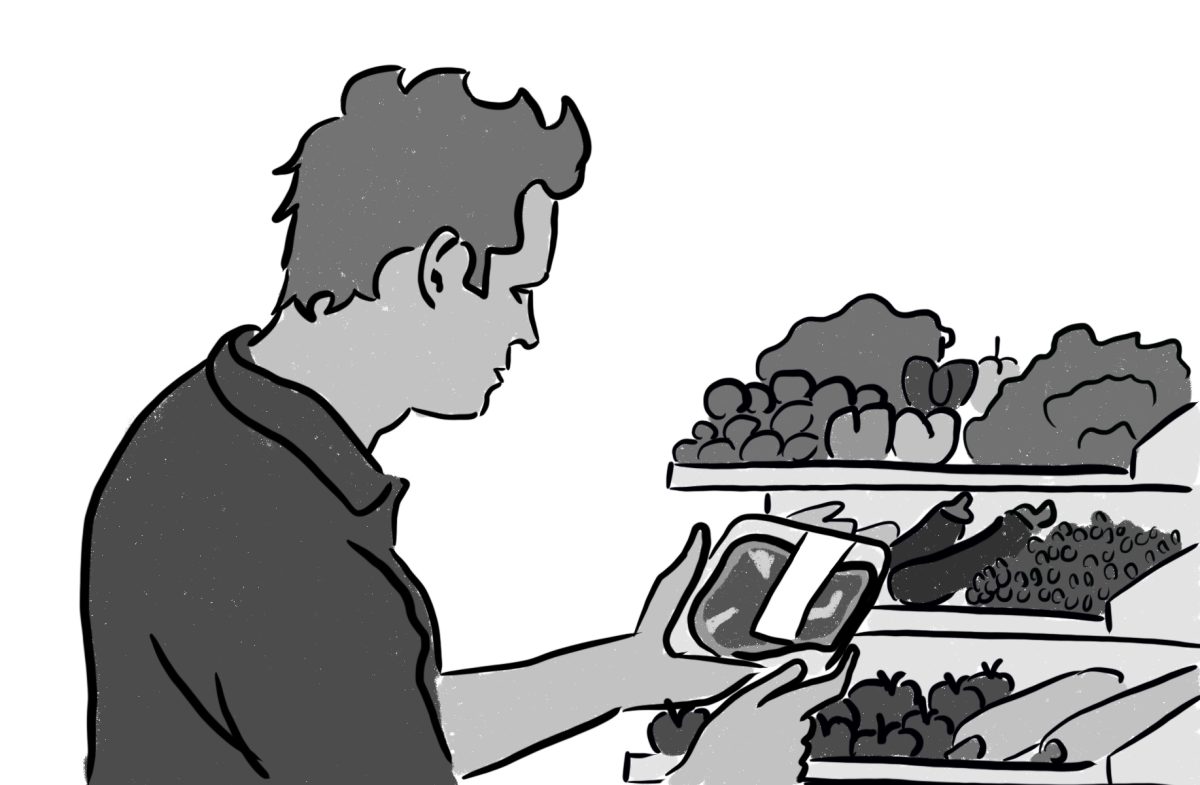
On the topic of savings, Morga shared advice she has gathered through interviewing experts in the field. Compulsive spending habits, she noted, are a significant obstacle for many young adults.
“When you’re out shopping, try stopping for a second and thinking about why you feel the need to spend money on XYZ,” Morga said. “A tip I’ve heard a lot that’s one of my favorites is when you go shopping for clothes or makeup, put things in your shopping cart and wait a day or two to think it over. If I forget about it, I’m like, I don’t really need it. Knowing your spending triggers is really important because that takes some reflection into the root of why you are overspending.”
Spending triggers are a major component of overspending, and they can stem from emotional, environmental or social stressors. When you feel stressed, think: do you tend to spend money to gain a temporary bit of happiness? Does walking into a certain store make you want to empty your wallet? Identifying these triggers can be an extremely useful strategy for avoiding overspending and building healthier financial habits.
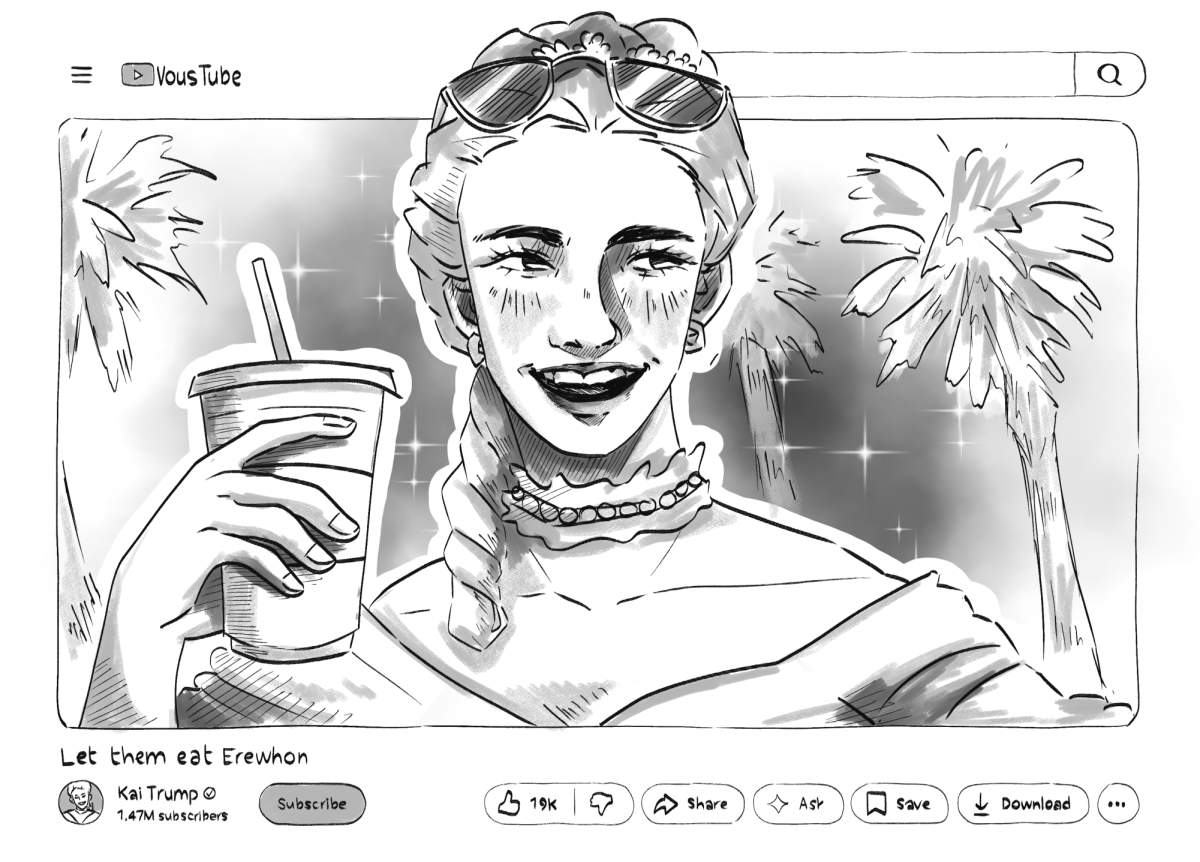
Along with these influences, social media is a significant contributor to overspending and overconsumption culture. Videos showcasing 20-step skincare routines or back-to-school “hauls” subtly encourage viewers to buy more and more, normalizing constant consumption.
Stewart shared her own experience buying a $25 lip product because of social media influence.
“I don’t normally spend a lot of money on makeup, but because everyone kept recommending it to me on social media or in person, I had to buy it,” Stewart said.
Overconsumption is the practice of continuing to buy more and more while never feeling like we own enough. According to The Decision Lab, it is not just about purchasing. Often, material possessions are viewed as extensions of our identity — a way to convey success, style or status to others. In the digital age, it has never been easier to get what you want with a simple click on a social media ad, overnight shipping and financing options that allow you to “buy now, pay later.” In a capitalist society, products have increasingly become markers of identity. Goods are no longer purchased solely for utility but for what they signal outward, who we are or who we aspire to become.
Alongside this culture of rapid spending, credit cards are another financial tool that can quickly become a serious source of debt if used incorrectly.
“Make sure that you’re not getting into credit card debt,” Morga said. “I think that when you’re in college and to access higher education you might have to tap into student loans, once you graduate college you’re going to have to start paying more bills and you’re gonna get your salary. If you get into credit card debt in college it can be a little harder to manage once you’re out of college. When you have a credit card, pay it in full at the end of the month. That is always a great thing to do.”
In 2025, 16% of young adults aged 18 to 24 with a credit record had debt in collections.
“Debt feels really heavy. It has a lot of stigma around it — I understand why that is the case,” Morga said. “But in most cases it’s important to save some money at the same time you are paying off your debt.”
Morga also shared her favorite tip for budgeting.
“Getting familiarized with using a budget and sticking to it. Budgets can work differently for different people. Some people like budgeting apps, some people like Excel sheets. Whatever your method is, try to continue using it and stick to it,” Morga said. “That matters a lot. You need to know your expenses and income to know where you can save money and where you can be investing. Investing and starting small is really great — like putting away $5 a week in an account. As much as you can save and invest for the future, that will really help you be a little bit more comfortable.”
She also stressed the importance of an emergency fund.
“Experts usually say three to six months of expenses. That can feel like a lot. For most people, it will be just a month of expenses or less. Start small when it comes to starting an emergency fund.”
With tax season upon us, Morga shared advice for navigating what can be a stressful time of year.
“People generally get overwhelmed with taxes. A common mistake is leaving taxes to the last minute, which can create a lot of stress. It can be stress-inducing, but you can also make mistakes because you’re rushing,” Morga said. “Another thing I don’t think a lot of people know about is that there are free resources you can tap into. You don’t have to use your money to pay TurboTax or others — you can just get your taxes done for free.”
Some of these free resources include FreeTaxUSA, FileYourTaxes.com and TaxAct.
Although social media is filled with financial tips and resources, Morga encourages people to approach trends carefully.
“One thing I’ve reported on that has become really popular on social media is budgeting challenges,” she said. “Social media is a place where we find new techniques for how to deal with our money. I think that if anyone wanted to participate in a social media trend like a ‘no-buy year’ or these popular budgeting trends, they can be good for getting into a habit. But it’s better to use those trends to create a routine that works best for you. Sometimes those trends can be very intense, and they don’t work for everyone.”
For many young adults, financial literacy does not come naturally, and it is not always taught clearly or accessibly. But through small, intentional habits, managing money can become less overwhelming. In a financial landscape that looks very different from previous generations, knowledge may be one of the most powerful tools Gen Z can build.