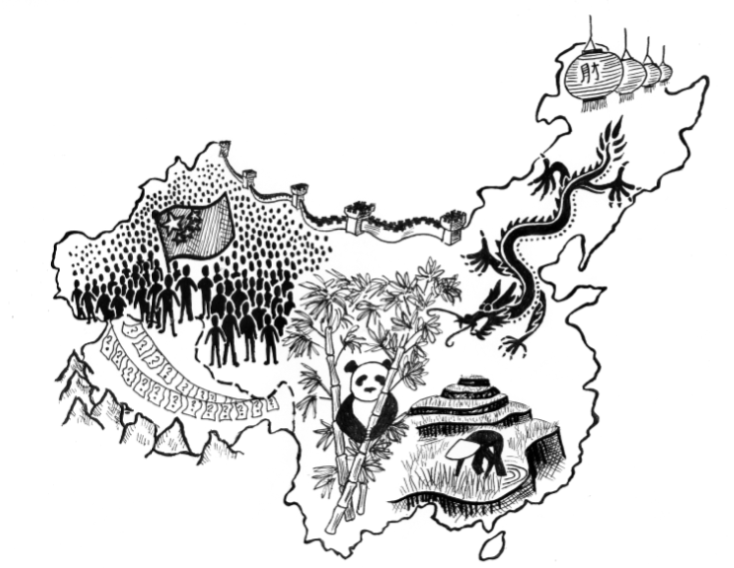
This summer I was part of a group of 13 Whitman students who spent six weeks in China, led by Professor of Anthropology Charles McKhann and Adjunct Instructor of Chinese Wencui Zhao. The main goal of the trip was to give our group the opportunity to study Chinese.
Chinese saying "To be a scholar is to be on top of society" shows value of education. But problem lies in how society defines the good students as the most obedient ones and the best test takers.
I have been considered a "good" student since kindergarten. I'm active in class, conscientious after class. I excel in quizzes and exams; I stand out in activities and contests. But I get nervous...
Waking up from an eight-hour siesta, glancing at the clock in the dark and recalling with remorse how many assignment deadlines I had missed because of this extended nap—the result of working overnight on a midterm paper—I suddenly got a sense of Whitman's bubble.
My personal Whitman bubble is currently filled with Bronislaw Malinowski's psychological functionalism, Sandra Gilbert's ekphrastic poetry and my slow process of adjusting to that bubble. That's right: my goal is to immerse myself in the bubble that many Whitman students try to break through.
While the content within individual bubbles varies, our communal Whitman bubble remains the product of what Whitman proudly claims—its traditional liberal arts education.
Having studied at Whitman for more than a month, I initiated a Chinese writing project entitled "Wei Meng Zhi"—Whitman Stories. "Wei Meng" means "Whitman," which also means "strong and robust'; "Zhi" refers to stories.