I consider myself a feminist but I often find that the feminist movement is heading in a problematic direction nowadays. Modern feminism is often not intersectional; it leaves out many of the women’s...
The fifth annual Breaking Ground Monologues, held in Kimball Theatre from March 3 through 5, grappled with a multitude of thought-provoking and emotional topics, leaving a powerful impression on all who...
EVERYWHERE IN MAXEY --
Releasing one enormous, resigned sigh as class discussion turned to the concept of hegemony, members of POL-130 collectively buckled-up for what was sure to be 40 grueling minutes...
In the class of 2020, Whitman has once again attracted a homogenous group of down-to-earth, unpretentious, fun-loving, granola-chewing, Birkenstock-wearing, apathetic, White kids. Throughout high school,...
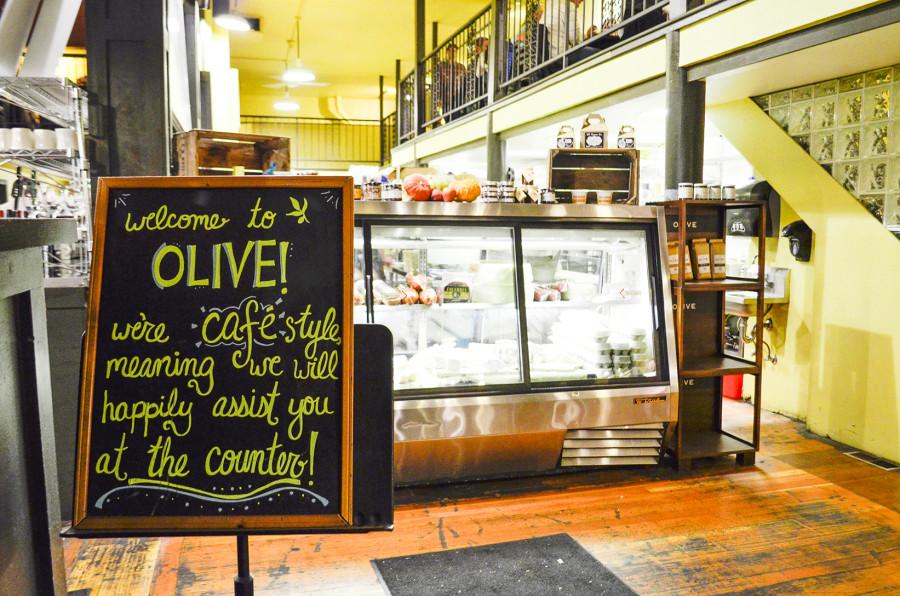
November means many holidays are just around the corner, but it also means another year for Olive Marketplace and Cafe's annual Open Kitchen: Holiday Cooking Series. The series includes five classes,...
I’d like to preface this column with a warning to Whitman’s rarest minority, conservatives. You probably have no interest in what I’m about to say, and, frankly, it’s not catered to you. There, you’re free to go back to preparing for finals without wasting your time on my column. My problem this week is with the liberals of Whitman.
Unlike other signifiers of identity, "first generation" comes attached to a diverse spectrum of backgrounds. Many who identify as first generation struggle at college with family finances, varying levels of cultural capital and feelings of isolation. However, not all do, and the phrase “first generation and working class†isn’t necessarily all-encompassing.
The Board of Trustees met on Thursday and Friday, Feb. 6 and 7, to discuss student concerns of diversity and divestment. Student representatives to the Board of Trustees' Student Life Committee presented students' thoughts on issues including race, gender, religion, and sexual orientation.
For many immigrants in the United States, these incidents would have immediately resulted in detainment and deportation without access to the due process Bieber has been given. He has not been deported because he has not been convicted of his "alleged" crimes yet, but many of the immigrants who have been deported for low-level crimes were never able to defend themselves. In the rare chance that the these individuals did get a chance to fight deportation, many did not have access to a high-quality attorney like Bieber has.
On a recent trip to New Orleans with a few other Whitties, a concierge at a hotel made a joke that made me think. Exhausted from almost a full day of traveling, we had come to the hotel for the Associated College Press conference hosted there. Amused by our dazed appearances, the concierge laughed and said, “Y’all look like you’ve never seen a black person before.†We explained our fatigue, but over the course of the weekend, I realized that the man had a point. African Americans, especially from working-class backgrounds, are conspicuously absent at Whitman. Less than three percent of the class of 2017 are African American, and while first-generation college students are more common, they still only make up 10 percent of the class. This has a lot to do with geography, of course. From sheer historical background, Louisiana will probably always have more African Americans than Washington does. The African American population of the state of Washington is not much denser than that of Whitman, representing a little under four percent of the total population.
If you could take a class in anything what would it be?
Videographer Tanner Bowersox polls the community on what classes they would like to take if they could take a class in anything.